Basketball Embroidery Design Review for Craft Fairs
As I set up my table for the upcoming weekend craft fair, I am surrounded by stacks of tote bags, crisp white tea towels, and a rack of embroidered caps. The goal is simple: create a display that stops shoppers in their tracks and compels them to pick up an item. Today, I am putting the Basketball Embroidery Design through its paces. This isn't just about downloading a file; it is about evaluating how this specific machine embroidery design translates into a profitable, high-quality handmade product that stands out in a crowded market.
First Impressions: Bold Energy for the Booth
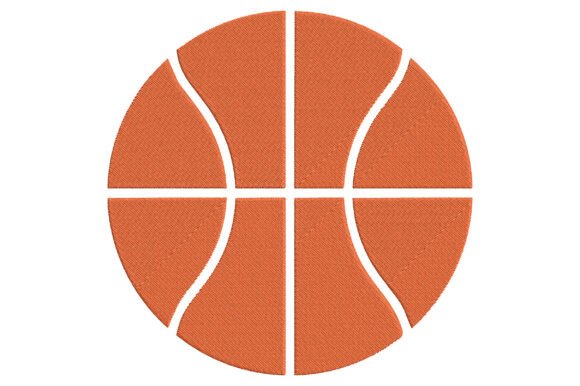
When I first load the Basketball Embroidery Design into my software, the visual impact is immediate. It feels sporty and energetic, exactly as described. For a craft fair environment where customers are scanning tables quickly, this boldness is a significant asset. Unlike delicate floral patterns that require close inspection to appreciate, this design communicates its theme instantly. It has a clean and classic aesthetic that avoids looking cluttered or overly trendy, which suggests it will have longevity on shelves beyond just the current season.
The description notes that the design features a detailed basketball, and from the digital preview, the lines appear sharp. In the world of Hobbies and Embroidery, clarity is king. A design that looks muddy on a screen will look worse when stitched onto textured fabric. This particular file seems to strike a balance between detail and simplicity, making it a strong candidate for both Etsy sellers looking for digital downloads and boutique makers creating physical inventory.
Product Performance: Where Does It Shine?
To determine the true value of this digital embroidery file, I need to visualize it across various substrates. Here is how the Basketball Embroidery Design performs on the items currently sitting on my prep table:
- Tote Bag Design: This is likely the strongest application. On a sturdy canvas tote, the bold lines of the basketball will pop. It serves as a perfect focal point, turning a utility item into a fashion statement for sports fans. The scale works well here, allowing the design to be large enough to be seen from across the room at a booth.
- Apron Embroidery: Placing this design on the bib of a kitchen apron adds a fun, unexpected twist. It appeals to parents cooking for game days or coaches who love to bake. The contrast of a sporty graphic against a neutral linen or cotton apron creates a unique small shop product that feels personalized yet professional.
- Tea Towel Embroidery: Kitchen linens are always a seller. However, because towels often have a looped texture, I must ensure the stitch density is sufficient to prevent the loops from poking through the threads. If the Basketball Embroidery Design holds up well on a test run, these become excellent low-cost add-ons for impulse buyers.
- Embroidered Patch: Creating patches from this design opens up a new revenue stream. Patches can be sold individually or applied to denim jackets and backpacks. The defined edges of the basketball shape make it ideal for cutting around, ensuring a clean finish on the back of the patch.
- Caps and Fabric Pouches: Curved surfaces like caps require careful consideration. While the design is circular, which complements the cap shape, I need to verify that the hoop size accommodates the curve without distorting the image. Small pouches offer a great way to sell the design at a lower price point, acting as a "gateway" item for customers.
Production Realities: Density, Texture, and Scale
While the visual appeal is high, the practical execution is what separates a hobbyist from a successful business owner. As I prepare to stitch a batch of these for commercial embroidery purposes, several technical factors come into play.
Stitch Density and Detail: The description mentions a "detailed" basketball. In machine embroidery, too much detail can lead to thread bunching, especially if the stitch density is not optimized. If the design includes tiny lettering or extremely thin lines representing the seams of the ball, they may disappear on thick fabrics like denim or heavy canvas. I will need to inspect the embroidery file closely to ensure the smallest elements are at least 0.5mm wide to remain visible after stitching.
Fabric Texture Challenges: Textured towels and fleece can distort even the best designs. The raised loops of a towel might hide the intricate details of the basketball seams. For these applications, I plan to use a heavier stabilizer to flatten the fabric surface before hooping. Without proper stabilization, the finished product could look puckered and unprofessional, which hurts the perceived value of the brand.
Scale and Visibility: One of the biggest mistakes craft fair sellers make is shrinking a complex design too small. The Basketball Embroidery Design needs space to breathe. If I try to fit it onto a small keychain or a narrow cuff, the details will blur. It works best as a medium-to-large accent. When photographing for online listings or creating a printable mockup, I must ensure the scale accurately represents how the customer will see it in person.
Selling Strategy: Engagement and Brand Consistency
From a marketing perspective, this design offers excellent versatility. It appeals to a broad demographic, including parents, athletes, and gift shoppers. By using consistent thread colors across different products—perhaps sticking to classic orange, black, and white—I can create a cohesive booth display that reinforces brand identity. A wall of matching tote bags, aprons, and pillows featuring the same design creates a powerful visual statement that draws the eye.
The Basketball Embroidery Design also photographs exceptionally well. High-contrast images of the orange ball against dark or light backgrounds perform very well on social media platforms used to drive traffic to Etsy shops or local markets. This makes it easier to generate buzz before the event even begins. Customers are more likely to engage with a product that looks vibrant and high-quality in a photo.
Designer Notes: Essential Steps Before Production
Before committing to a full production run for the weekend market, I recommend following these critical steps to ensure success:
- Test on Scrap Fabric: Never skip this step. Stitch the design on the exact fabric you intend to sell. Check for registration issues, thread breaks, or areas where the fabric pulls.
- Verify Hoop Size: Confirm that your machine's hoop can accommodate the design dimensions without needing to re-hoop, which can cause misalignment.
- Check Thread Contrast: Ensure the thread colors provide enough contrast against the fabric. An orange basketball on a red background will fail to sell.
- Use the Right Stabilizer: For dense areas or textured fabrics, invest in a tear-away or cut-away stabilizer that supports the weight of the stitches.
- Create Real Mockups: Do not rely solely on digital previews. Create at least one real sample to show customers the texture and quality of the finished product.
- Review Licensing: Always confirm the commercial licensing terms of the design assets. Ensure you are permitted to sell the number of finished goods you plan to produce for your craft fair product line.
In conclusion, the Basketball Embroidery Design is a robust addition to any maker's portfolio. With its clean lines and energetic vibe, it has the potential to become a top seller if executed with attention to detail and proper material selection. Whether you are an experienced Etsy seller or a newcomer to the handmade market, focusing on quality production and strategic display will ensure this design brings both energy and profit to your booth.