Cute Bunny Embroidery: A Designer's Practical Review
As a professional who spends countless hours selecting machine embroidery designs for both client work and my own small shop, I know that the difference between a good project and a great one often comes down to the quality of the digital asset. When I first opened the file for Cute Bunny Embroidery, I wasn't just looking for a cute animal; I was looking for a design that would translate well from screen to fabric. This piece falls squarely into the Animals category, but its utility extends far beyond a simple graphic. It promises charming details suitable for kids' clothing, accessories, and home decor, specifically targeting spring or Easter-themed projects.
The First Impression: Visual Weight and Mood
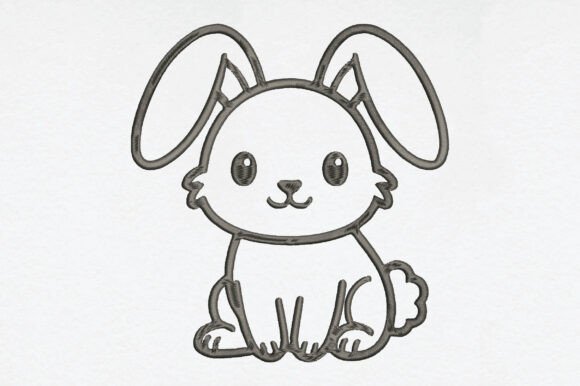
Before even loading the hoop, I always assess the visual personality of an embroidery file. The Cute Bunny Embroidery design immediately conveys a soft, approachable mood. The lines are clean, avoiding the jagged edges that sometimes plague lower-quality vector conversions. What stands out is the balance between detail and simplicity. In machine embroidery, too much detail can lead to registration issues or thread bunching, while too little can look flat. This design strikes a sweet spot. The bunny's features are defined enough to be recognizable at a glance but not so intricate that they require a microscopic view to appreciate.
I imagined this design on a cream-colored linen tote bag intended for a local craft fair. The fill stitch areas in the ears and body would likely provide a nice texture without overwhelming the natural weave of the linen. For an Etsy seller or boutique owner, this kind of visual clarity is crucial. Customers need to see the character of the design immediately, whether they are browsing a physical shelf or scrolling through a digital storefront. The charm here is undeniable, making it a strong candidate for personalized gifts or seasonal merchandise.
Testing the Design in Real-World Scenarios
To truly evaluate a design, you have to think about where it will live. Let's consider a few specific applications where Cute Bunny Embroidery could shine. Imagine preparing a custom sweatshirt embroidery for a toddler. The softness of the bunny pairs perfectly with the cozy aesthetic of children's apparel. However, sweatshirts are tricky due to their textured loops. I would recommend using a heavy-duty cutaway stabilizer to ensure the stitches lay flat and don't sink into the fleece. If the stitch density is too high, the fabric might pucker; if it's too low, the loops might show through. Since the description notes "clean, easy-to-stitch" qualities, I anticipate the density is optimized for standard fabrics, but a test run is always wise.
Another excellent use case is an embroidered patch for backpacks or denim jackets. The distinct outline of the bunny suggests it would hold up well as a standalone applique or a dense satin-edged patch. For a craft business selling holiday items, this design could be the centerpiece of a limited-run collection. Picture a set of kitchen towels or pillow covers featuring this bunny alongside some subtle floral accents. The versatility allows it to transition from a nursery decor item to a cheerful addition to a grown-up's home office.
Navigating Fabric Challenges
While the design looks promising, every designer knows that context is everything. There are specific scenarios where Cute Bunny Embroidery requires careful handling. On dark fabrics, the default thread colors might not offer enough contrast unless you plan to use a backing layer or white underlay. Always check how the design performs on black or navy backgrounds before committing to a full production run. Similarly, on stretchy fabrics like jersey knit, the tension needs to be dialed in perfectly to prevent the stitches from distorting the bunny's shape.
If you are considering this for curved surfaces, such as a baseball cap, pay close attention to the hoop size requirements. While the design seems compact, placing it on the dome of a cap can sometimes cause shifting if the stabilizer isn't secured tightly. Additionally, avoid using this design on very thin fabrics like chiffon or lightweight silk without significant reinforcement, as the weight of the stitching could tear the material over time. For products that require frequent washing, such as baby clothes or dish towels, ensure the running stitch outlines are secure enough to withstand agitation.
Impact on Product Value and Brand Perception
Using high-quality assets like Cute Bunny Embroidery directly influences the perceived value of your finished product. When a customer receives a handmade item with crisp, well-defined stitching, their trust in your brand increases. Sloppy digitization or poor execution can make even the most creative idea look amateurish. Conversely, a clean, professional-looking bunny embroidery elevates a simple tote bag into a desirable accessory.
For digital product sellers offering mockups, this design serves as an excellent example of how a single motif can be adapted across various mediums. You can create printable mockups showing the bunny on a onesie, a mug, or a notebook cover, helping potential buyers visualize the final result. Consistency is key for small shop owners; if your brand focuses on whimsical, nature-inspired themes, this design fits seamlessly into your catalog, reinforcing your brand identity.
Practical Notes for the Professional Maker
Before you commit to selling items featuring this design, there are a few critical steps to take. First, always test the machine embroidery design on scrap fabric that matches your final material. Check the thread colors against the background to ensure visibility. Inspect the small details, particularly around the eyes and nose, to confirm they haven't become muddy during stitching. If you are planning to sell the finished goods, verify the licensing terms. Some commercial embroidery licenses allow for unlimited sales, while others restrict the number of items you can produce. Never assume; always read the fine print regarding design assets.
Furthermore, consider creating a black-and-white version of your mockup to test the contrast and layout without the distraction of color. This helps you identify any potential issues with line weight or spacing. If you are using this for a holiday embroidery project, remember that timing matters. Start your production early to account for any necessary adjustments to the stitch density or placement. Whether you are making a baby embroidery gift for a friend or stocking shelves for your online store, the preparation phase is just as important as the stitching itself.
Final Verdict
In conclusion, Cute Bunny Embroidery is a versatile and charming addition to any designer's library. Its clean lines and appealing aesthetic make it suitable for a wide range of embroidery projects, from custom apparel to home textiles. While it offers immediate appeal, success depends on proper execution—choosing the right stabilizer, testing on appropriate fabrics, and respecting licensing agreements. For the creative entrepreneur looking to add a touch of seasonal joy to their portfolio, this design delivers on its promise of being both adorable and practical. With a little care in application, it can become a staple in your handmade product line, delighting customers and enhancing your professional reputation.