Ottoman Ornament Embroidery Review
As an experienced embroidery designer who has spent countless weekends setting up booths at craft fairs and managing a handmade shop online, I know that the difference between a sale and a pass-by often comes down to the visual impact of your design. Today, I am reviewing the Ottoman Ornament Embroidery digital file to determine its potential as a profitable addition to my product line. This is not just about how a pattern looks on a screen; it is about how it translates into a tangible craft fair product that catches the eye of a busy shopper.
First Impressions: Elegance Meets Tradition
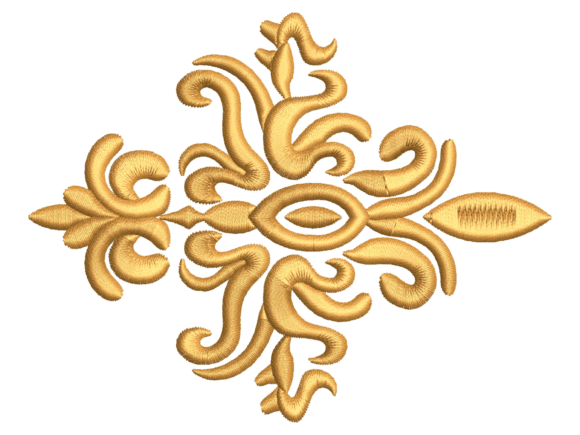
When I first opened the preview for the Ottoman Ornament Embroidery, the immediate feeling was one of refined elegance. Unlike many modern designs that lean heavily into minimalism or bold graphic styles, this piece carries a rich, historical weight. It feels premium and decorative, fitting perfectly within the Floral category while maintaining a distinct architectural structure typical of Ottoman art. For a booth display, this design stands out because it offers a sense of heritage and craftsmanship that mass-produced items simply cannot replicate. It suggests a story, which is exactly what buyers are looking for in a handmade product.
The intricate curves and symmetrical patterns give it a sophisticated look that elevates simple fabric bases. If you are an Etsy seller or a boutique maker trying to move away from generic floral prints, this machine embroidery design provides a unique selling point. It does not feel rustic or farmhouse-style; instead, it leans towards a more curated, gallery-worthy aesthetic that can command a higher price point.
Product Potential: Where Does It Shine?
In preparing for a weekend market, I need to visualize where this embroidery file will perform best. Based on the complexity and beauty of the Ottoman Ornament Embroidery, here is how I plan to utilize it across various product categories:
- Tote Bags: A large version of this design centered on a canvas tote bag creates an instant statement piece. The contrast between the structured ornamentation and the casual nature of a tote makes it a perfect tote bag design for the eco-conscious shopper who appreciates art.
- Kitchen Textiles: For tea towel embroidery and aprons, this design adds a touch of luxury to the kitchen. Imagine an apron embroidery featuring this motif in gold thread on a navy blue background; it transforms a utility item into a gift-worthy heirloom.
- Patches and Caps: While the full design might be too large for a standard cap, a cropped section of the Ottoman Ornament Embroidery works beautifully as an embroidered patch. These patches can be sold individually or applied to denim jackets and bags, offering versatility for commercial embroidery applications.
- Pillow Covers and Pouches: The symmetry of the design makes it ideal for square pillow covers. On small fabric pouches, it serves as a focal point that draws attention immediately, making these excellent impulse buys at a craft fair.
Production Realities: Practical Design Notes
While the visual appeal is high, producing this digital embroidery file requires careful planning. As a designer, I must consider the technical aspects to ensure the finished product holds up under scrutiny. The Ottoman Ornament Embroidery features dense stitch areas and potentially tiny details that could get lost if not handled correctly.
Stitch Density and Fabric Texture
One of the primary concerns with ornate designs is stitch density. If the file packs too many stitches into a small area, the fabric may pucker, especially on thicker materials like canvas or heavy cotton towels. Before running a batch production, I always test the design on scrap fabric. This step is non-negotiable. You must check how the threads sit against the fabric texture. For textured towels, the intricate lines of the ornament might blend into the weave unless the thread colors provide sufficient contrast.
Hoop Size and Stabilizer Use
Because this is a complex pattern, the required hoop size is likely larger than a simple logo. Ensure your machine hoop can accommodate the full design without distorting the shape. Furthermore, the use of a strong stabilizer is critical. Without proper backing, the fine details of the Ottoman Ornament Embroidery may shift during stitching, ruining the symmetry. I recommend using a cut-away stabilizer for stretchy fabrics and a tear-away for stable wovens to maintain the crispness of the lines.
Scalability and Clarity
Does this design work as a small accent? Be cautious. The Ottoman Ornament Embroidery relies on its detail to convey its style. Shrinking it too much for a small button or a tiny corner accent might result in a muddy appearance where individual stitches merge. It is best utilized as a medium-to-large focal design. If you need a smaller version, verify that the machine embroidery design maintains clarity and that no tiny lettering or delicate lines disappear.
Selling Strategy: Maximizing Visual Appeal
For small shop product owners, the way you present the Ottoman Ornament Embroidery is just as important as the stitching itself. In a physical booth, lighting plays a huge role. The metallic sheen of certain threads used in this design can catch the light, drawing customers in. To maximize this, arrange your products so the design faces forward and is well-lit.
For online sales, particularly on Etsy, photography is key. Create a printable mockup to visualize the design before sewing, but always photograph real samples. Customers want to see the texture of the thread and the quality of the finish. Show close-ups of the Ottoman Ornament Embroidery to highlight the craftsmanship. This builds trust and justifies a premium price. Consistency in your brand is also vital; if your shop sells bohemian or vintage-inspired goods, this design fits seamlessly. If your brand is strictly modern and geometric, this might clash unless styled carefully.
Essential Checklist for Makers
Before you commit to buying and producing with the Ottoman Ornament Embroidery, run through this practical checklist to avoid wasted time and materials:
- Verify File Format: Confirm that the digital embroidery files are delivered in a format compatible with your machine (usually in ZIP or RAR format).
- Check Licensing: Ensure you have the right to sell finished products. Since this is a digital product, no physical item is shipped, and there are typically no returns or refunds. Read the license terms regarding commercial use carefully.
- Test Stitch Count: Estimate the time it takes to embroider one piece. High stitch counts mean slower production, which affects your pricing and ability to fulfill orders quickly.
- Fabric Color Matching: Test different thread colors against your chosen fabrics. Dark fabrics often require more thread coverage to make the design pop.
- Create Mockups: Make at least one real sample to assess the final look. Do not rely solely on computer previews.
Final Verdict
The Ottoman Ornament Embroidery is a powerful asset for any creative entrepreneur looking to elevate their product line. It offers a level of sophistication that separates handmade goods from factory-made alternatives. Whether you are creating a market bag, a decorative pillow, or a custom giftable handmade item, this design has the potential to become a bestseller if executed with care.
Remember, the success of this design assets lies in the details. Pay attention to your stabilizer choice, your thread selection, and your presentation. By treating the Ottoman Ornament Embroidery with the respect it deserves, you create a finished product that not only looks beautiful but tells a story of quality and tradition. For the savvy Embroidery business owner, this is a design worth investing time and resources into.