Summer Embroidery Design, Love Line Art Review
As a professional embroidery designer who has spent years refining machine embroidery design workflows for small businesses, I approach every new digital asset with a critical eye. The market is flooded with generic patterns, but finding a versatile embroidery file that balances artistic flair with commercial viability is rare. Today, I am reviewing the Summer Embroidery Design, Love Line Art. This piece promises to be a perfect accent for various projects and occasions, suitable for stitching onto kids' clothing, tote bags, t-shirts, signs, and more. My goal here is to move beyond simple decoration and evaluate how this specific design functions as a tool for branding, merchandising, and business growth.
First Impressions: Visual Personality and Brand Fit
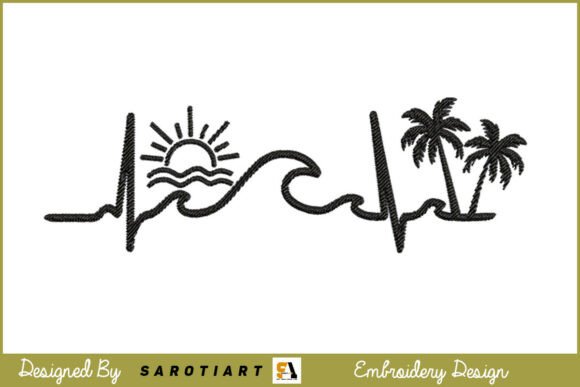
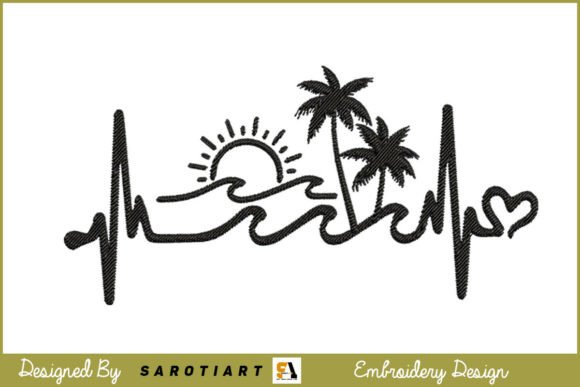
When I first load the Summer Embroidery Design, Love Line Art into my digitizing software, the immediate impression is one of clean, modern minimalism. The line art style suggests a friendly yet sophisticated aesthetic, making it an excellent candidate for boutique merchandise or creative studio branding. Unlike dense, heavy floral patterns that can overwhelm a garment, this design feels light and airy, perfectly capturing the essence of the Summer season without being cliché. For a handmade brand looking to project warmth and approachability, the "Love" motif provides an emotional hook that resonates with customers seeking connection through their purchases.
The simplicity of the lines indicates that this design could work exceptionally well as a subtle chest logo accent or a sleeve detail on staff uniforms. It avoids the clutter often found in busy commercial embroidery, ensuring that the brand identity remains clear even at smaller scales. Whether you are a florist wanting to add a touch of romance to your packaging or a café aiming to update your apron embroidery, this design offers a visual personality that feels both premium and accessible.
Real-World Business Applications
The true test of any digital embroidery file is its performance in real-world scenarios. For small business owners and apparel decorators, versatility is key. Here is how I envision the Summer Embroidery Design, Love Line Art performing across different product categories:
- Embroidered Patches: This design is ideal for creating custom patches. Because the lines are distinct, they translate well to the raised texture of a patch. You can use these on denim jackets, backpacks, or even as detachable badges for event merch. The line art ensures the edges remain crisp when cut out.
- Staff Uniforms and Aprons: For local bakeries or boutiques, adding this design to the corner of an apron creates a cohesive look for your team. It serves as a non-intrusive identifier that still feels part of the brand story. It works beautifully on canvas or cotton blends common in kitchen wear.
- Tote Bag Design: Totes are a staple for eco-conscious brands. Stitching this design onto a sturdy cotton tote bag elevates the item from a free giveaway to a desirable accessory. The open nature of the line art prevents the fabric from becoming too stiff after stitching.
- Cap Embroidery: While caps require careful planning, the linear nature of this design makes it a strong contender for cap fronts. It fits well within the standard curved area without distorting, provided the size is managed correctly.
- Product Packaging Accents: Consider using this as a small embroidered tag or label on high-end handmade products. A tiny version of the Summer Embroidery Design, Love Line Art on a fabric hangtag adds a layer of luxury that printed tags cannot achieve.
Critical Evaluation: Where Caution Is Needed
Despite its versatility, not every design works everywhere. As a designer, I must highlight where the Summer Embroidery Design, Love Line Art requires careful handling to ensure a professional finished product.
Size and Detail Limitations
Line art relies heavily on precision. If you attempt to shrink this design too much for a tiny patch or a small collar logo, the thin lines may become fragile or disappear entirely due to thread thickness. Always check if it works at small patch size before committing to a bulk run. If the lines are too close together, the needle might miss stitches, leading to gaps in the final image.
Fabric Texture and Color Contrast
On highly textured fabrics like heavy fleece or boucle, fine line details can get lost. The design shines best on smooth knits, twill, or cotton. Additionally, thread colors play a massive role. On dark uniforms, a single-color outline might lack visibility. I recommend testing it in black and white first to assess contrast. Using a high-contrast thread color against the background fabric will ensure the design pops and maintains legibility.
Stitch Density and Hoop Size
While line art generally has lower stitch density than filled designs, improper settings can still lead to puckering. You must confirm hoop size compatibility before production. If the design is larger than your machine's hoop, you will need to split the file, which risks misalignment. Always inspect spacing between elements to ensure the stabilizer supports the tension without distorting the delicate lines.
Impact on Brand Identity and Customer Trust
In the competitive landscape of Etsy sellers and craft business assets, consistency is currency. Using a cohesive design like the Summer Embroidery Design, Love Line Art across your small business merch helps build recognition. When a customer sees this specific line art on a tote bag, then again on a cap, and finally on a thank-you card, it reinforces your brand identity. This visual consistency signals professionalism and attention to detail, which directly impacts customer trust.
Furthermore, embroidered items inherently feel more valuable than screen-printed ones. By incorporating this design into your custom apparel, you elevate the perceived value of your products. It transforms a standard t-shirt into a collectible piece of branded merchandise. For handmade product creators, this added tactile quality can justify a higher price point and increase buyer engagement.
Practical Designer Notes for Production
If you decide to integrate the Summer Embroidery Design, Love Line Art into your workflow, follow these practical steps to ensure success:
- Test Stitches First: Never skip the test run. Stitch a sample on the exact fabric you plan to use. Check if the lines hold up and if there is any unwanted puckering.
- Stabilizer Selection: Use a proper stabilizer suited for the fabric weight. For line art on stretchy knits, a tear-away or cut-away stabilizer is crucial to prevent distortion during the washing process.
- Create a Mockup: Before selling or producing, create a printable mockup for client approval. Show the design on a shirt, bag, or hat to manage expectations regarding scale and placement.
- Review Thread Colors: Experiment with different thread colors to see which enhances the design best. Sometimes a metallic thread can give the line art a premium summer vibe.
- Verify Licensing: Confirm commercial licensing before business use. Ensure the terms allow for resale on physical goods, especially if you are creating design assets for other creators.
- Compare Assets: Place this design beside your other design assets to ensure it complements your existing brand palette and style guide.
Final Verdict
The Summer Embroidery Design, Love Line Art is a robust addition to any decorator's library. Its clean lines and adaptable nature make it a standout choice for those looking to enhance their small business merch without overwhelming the garment. Whether used for event merch, boutique labels, or simply as a charming accent on kids' clothing, it delivers a professional finish when executed correctly. By respecting the limitations of size and fabric, and by leveraging the design's inherent charm, you can create high-quality, branded items that resonate with your audience. Just remember to verify the file specifics, such as hoop requirements and stitch count, before starting your production run.