Teapot Machine Embroidery Design Review
As a professional embroidery designer who has spent years translating digital files into tangible brand assets, I approach every new design with a critical eye. My goal is not just to see if an image looks pretty on a screen, but to determine if it holds up under the rigorous demands of commercial production. Today, I am reviewing the Teapot Machine Embroidery Design, a file marketed as a charming addition for tea lovers and Mother's Day creations. While the description promises elegance, my job is to evaluate its viability for small business merchandise, branded patches, and uniform detailing.
First Impressions: Elegance Meets Commercial Viability
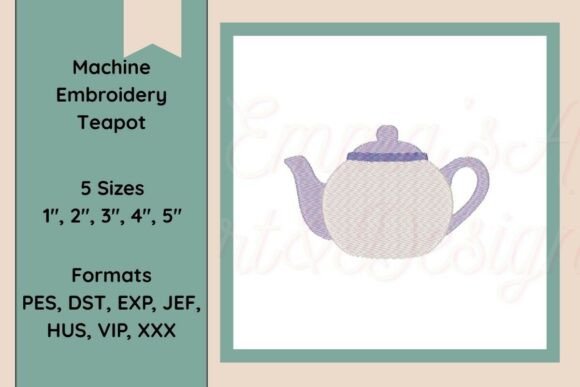
Upon opening the digital embroidery file, the initial impression is one of classic charm. The silhouette of the teapot suggests a timeless aesthetic that fits perfectly within the "handmade" and boutique market sectors. For businesses like artisanal cafés, floral studios, or high-end bakeries, this design offers a friendly yet sophisticated visual cue. It does not scream "corporate logo," which can be a significant advantage for brands trying to establish a warm, community-focused identity.
However, in the world of commercial embroidery, "charming" must translate to "legible." A design that relies too heavily on delicate lines may struggle when stitched onto textured fabrics or at smaller scales. The Teapot Machine Embroidery Design appears to strike a balance, offering enough definition to remain recognizable while maintaining the soft curves associated with afternoon tea themes. This makes it a strong candidate for brand identity projects where the goal is to evoke a feeling of comfort and tradition rather than bold corporate power.
Strategic Applications for Small Business Merchandise
When considering how to deploy this design for small business merch, several practical applications immediately come to mind. The versatility of a teapot motif allows it to function effectively across various product categories without feeling forced.
- Staff Uniforms and Aprons: For a café or bakery, placing this design on the chest pocket of a chef's jacket or the bib of an apron creates an instant connection to the brand's theme. Apron embroidery using this file adds a touch of professionalism that elevates the staff's appearance from casual to curated.
- Branded Patches: One of the most cost-effective ways to use this asset is by creating an embroidered patch. Patches allow for easier application on diverse materials, including denim jackets, canvas bags, and hats. They also serve as excellent add-ons for customer loyalty programs or event giveaways.
- Tote Bags and Caps: A tote bag design featuring the teapot can serve as a walking billboard for your shop. Similarly, cap embroidery using this motif works well for promotional items, provided the scale is managed correctly to ensure the spout and handle remain distinct.
- Product Packaging Accents: Beyond apparel, consider using this design on fabric tags or woven labels attached to handmade soaps, teas, or baked goods. This transforms a simple product into a premium gift, enhancing the perceived value of the finished product.
For Etsy sellers and craft business owners, this design acts as a powerful design asset that can unify a collection. Whether you are launching a Mother's Day campaign or simply refreshing your inventory, the consistent use of this imagery helps build customer trust and recognition.
Critical Considerations for Production Success
While the aesthetic appeal is clear, there are specific areas where the Teapot Machine Embroidery Design requires careful handling to avoid production headaches. As a designer, I always advise clients to test before they mass-produce.
Scale and Detail Challenges
The intricate details of a teapot, such as the spout curve and handle attachment, can become muddy if the design is scaled down too aggressively. If you plan to use this for cap embroidery on the front panel or as a tiny chest logo on a polo shirt, you must verify that the stitch count remains manageable. High stitch density in a small area can cause puckering, especially on thinner fabrics. Always check the minimum recommended size in the file specifications before committing to a run.
Fabric Texture and Color Contrast
The success of any machine embroidery design depends heavily on the substrate. Textured fabrics like heavy canvas, fleece, or wool blends can obscure fine details. If your business uses dark uniforms, the contrast of the thread colors becomes paramount. A light-colored teapot on a black background will look crisp, but a similar shade might disappear entirely. I recommend testing the design in black and white first to assess the structural integrity of the outlines before selecting your final palette.
Stabilizer and Hooping
To achieve a clean finish, particularly on curved surfaces like caps or tote bag handles, the correct stabilizer is non-negotiable. Using the wrong stabilizer can lead to shifting stitches or a distorted shape. Ensure you have the proper hoop size available; if the design exceeds your hoop capacity, you may need to split the file, which can introduce alignment errors. Always test on real fabric scraps that match your final product to confirm the tension and feed rates.
Impact on Brand Identity and Customer Engagement
In the competitive landscape of handmade brands and local businesses, visual consistency is key. The Teapot Machine Embroidery Design offers a unique opportunity to tell a story. Unlike generic clip art, a well-executed embroidered logo conveys quality and attention to detail. When a customer receives a tote bag or wears a cap with a professionally stitched design, their perception of your brand shifts from "crafty" to "professional."
This elevation in perceived value directly impacts buyer engagement. Customers are more likely to share photos of high-quality merchandise on social media, providing free marketing for your business. Furthermore, using this design for special occasions like Mother's Day allows you to tap into seasonal trends while maintaining a cohesive brand voice. It signals that your business cares about the little things—the perfect cup of tea, the thoughtful gift, the handmade touch.
Final Designer Notes and Checklist
Before integrating the Teapot Machine Embroidery Design into your production line, follow these essential steps to ensure a flawless result:
- Verify Licensing: Confirm that the digital embroidery file includes a commercial license for your intended use. Do not assume personal use rights cover business merchandise.
- Create Mockups: Generate a printable mockup to visualize the design on your actual products. Show this to stakeholders or clients for approval before stitching a single thread.
- Test Stitching: Run a sample on the exact fabric and stabilizer combination you plan to use. Inspect the back of the stitching for loose threads and the front for clarity.
- Check Dimensions: Measure the physical output against your design requirements. Does the teapot fit comfortably on the patch backing or the cap panel?
- Review Thread Colors: Compare the thread colors against your brand guidelines. Ensure the contrast is sufficient for visibility from a distance.
In conclusion, the Teapot Machine Embroidery Design is a versatile and elegant option for businesses looking to infuse their merchandise with character. When executed with proper technical care regarding scale, fabric, and stabilization, it serves as a robust tool for building a memorable brand identity. Whether you are outfitting your team, creating custom gifts, or expanding your product line, this design has the potential to elevate your offerings from simple commodities to cherished keepsakes.