Japanese Zen Garden Embroidery Design Review
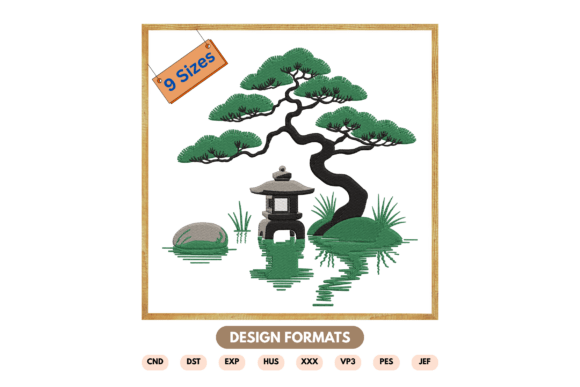
As I set up my table for the upcoming weekend craft fair, I am constantly evaluating which machine embroidery design will anchor my booth and drive sales. Today, I am reviewing the Japanese Zen Garden Embroidery Design. This piece promises a calm and elegant aesthetic, featuring a stylized bonsai tree, a traditional stone lantern, rocks, and peaceful water reflections. In the crowded world of handmade markets, where customers are bombarded with bright colors and loud patterns, a design that offers serenity can be a powerful differentiator. But does this specific file translate well from a digital screen to a physical product that people want to buy?
First Impressions: Elegance Meets Minimalism
When I first loaded the embroidery file onto my machine, the immediate impression was one of sophisticated minimalism. Unlike many designs in the Forest category that lean heavily into rustic or chaotic woodland themes, this design feels curated and intentional. The combination of the bonsai tree and the stone lantern creates a balanced composition that feels both traditional and modern. It is not "cute" in a childish way, nor is it overly decorative. Instead, it projects a premium, spa-like quality that appeals to buyers looking for mindfulness and tranquility in their home decor.
For an Etsy seller or a boutique maker, this visual language suggests high value. Customers browsing a craft fair often look for items that tell a story or evoke a specific mood. The Japanese Zen Garden Embroidery Design tells a story of peace. When placed on a neutral background, the subtle details of the water reflections and the texture of the rocks become focal points that draw the eye without overwhelming it.
Product Application: Where Does It Shine?
The true test of any digital embroidery file is its versatility across different products. Here is how I plan to utilize this design for my booth inventory:
- Tote Bag Design: A large-scale version of this design on a natural canvas tote bag is a standout item. The vertical nature of the bonsai tree fits perfectly within the rectangular shape of a standard tote. It transforms a simple utility item into a statement piece for yoga enthusiasts or garden lovers.
- Tea Towel Embroidery: This is perhaps the strongest application. Placing the design on a high-quality linen or cotton tea towel elevates the kitchen aesthetic. The "peaceful water reflections" motif works beautifully here, suggesting cleanliness and calm in the cooking space.
- Apron Embroidery: For the chef or baker who appreciates artisanal goods, stitching this design on the bib of a heavy-duty apron adds a touch of class. It avoids the clutter of typical kitchen prints and stands out as a unique gift.
- Embroidered Patch: Creating smaller versions of the stone lantern or just the bonsai tree as patches allows for customization on denim jackets or backpacks. This opens up a new revenue stream for small shop product lines targeting younger demographics.
- Pillow Covers: A centered design on a square pillow cover makes for excellent home decor. The softness of the fabric complements the gentle curves of the rocks and water, creating a tactile experience that customers love to touch at a market table.
Practical Production Considerations
While the aesthetic appeal is high, practical execution is what separates a professional commercial embroidery business from a hobbyist. Before committing to batch production, I must address several technical aspects of the Japanese Zen Garden Embroidery Design.
Stitch Density and Detail
The description mentions "stylized" elements, which usually implies some level of abstraction. However, the inclusion of "peaceful water reflections" and "rocks" suggests areas that could suffer from high stitch density. If the design packs too many stitches into a small area to create the illusion of water texture, it may pucker thin fabrics like tea towels. I recommend running a test on scrap fabric first. If the back of the embroidery looks tangled or the front feels stiff, you may need to reduce the density or use a stronger stabilizer.
Fabric Texture and Contrast
This design relies heavily on nuance. On a textured towel or a heathered fabric, the fine details of the bonsai leaves might get lost. To ensure the design pops, I will pair it with smooth, solid-colored fabrics. Using thread colors that offer strong contrast against the base fabric is crucial. For example, using slate gray or moss green threads on a cream linen background will highlight the stone and foliage elements effectively.
Hoop Size and Placement
Before purchasing materials, I need to confirm the exact hoop size required for the full scene. If the design is wide, it may not fit standard 5x7 hoops, requiring a larger frame which impacts setup time at the fair. Additionally, when applying this to curved surfaces like caps, the "water reflection" line might distort. I would advise against placing the full panoramic view on a cap; instead, isolating the stone lantern as a smaller accent would work better for headwear.
Marketing and Visual Appeal
In the digital realm, how this design photographs is just as important as how it feels. The Japanese Zen Garden Embroidery Design has a natural advantage here. It photographs exceptionally well in natural light, making it perfect for printable mockup creation for online listings. The earthy tones and organic shapes blend seamlessly with lifestyle photography, such as a cup of tea next to an embroidered towel or a tote bag hanging on a wooden chair.
For craft fair product displays, this design acts as a calming beacon. Amidst a sea of colorful, busy patterns, a table featuring these serene embroidered items invites customers to pause. It enhances the perceived handmade quality of the booth. Buyers associate the complexity of the bonsai tree and the precision of the stone lantern with skilled craftsmanship, justifying a higher price point for the finished product.
Designer Notes for Success
To maximize the potential of this design assets, follow these steps before your next market:
- Test on Scrap Fabric: Never skip the test run. Check for puckering, especially around the rock formations.
- Check Thread Contrast: Ensure the thread color contrasts enough with the fabric so the details remain visible from a distance.
- Review Spacing: Leave adequate margin around the design to prevent trimming errors during finishing.
- Confirm Licensing: Always verify your commercial embroidery license terms before selling finished goods. Ensure you are allowed to sell the final products on platforms like Etsy or at local fairs.
- Create Real Mockups: Don't rely solely on digital previews. Stitch one real sample to photograph for your social media and website.
- Compare Fabric Colors: Test the design on at least three different fabric shades to find the best match for your brand palette.
The Japanese Zen Garden Embroidery Design is more than just a pattern; it is a mood setter. For the creative entrepreneur looking to elevate their brand with Embroidery that speaks to tranquility and style, this design offers a compelling opportunity. By paying attention to stitch density, fabric choice, and presentation, you can turn this digital file into a best-selling staple for your handmade shop. Whether it's a tote bag design for the eco-conscious shopper or a tea towel embroidery for the home lover, this design has the potential to bring a little bit of Zen to every customer's life.